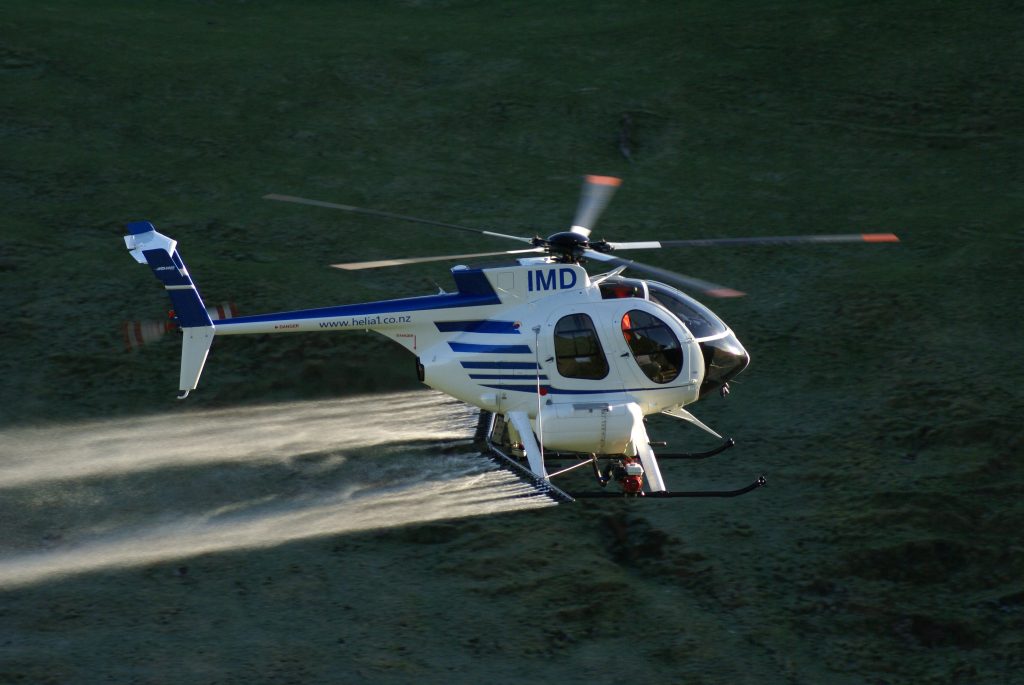
Farming in New Zealand has always required a practical approach to challenging landscapes. From steep hill country and remote paddocks to rapidly changing weather conditions, getting people, machinery and agricultural products where they need to go isn’t always straightforward.
As farming practices continue to evolve, helicopters have become an important tool for many agricultural operations. Modern aerial technology allows farmers to cover difficult terrain efficiently while applying fertiliser, seed and agricultural sprays with greater accuracy.
For farms where conventional machinery may be slow, impractical or potentially damaging to the land, agricultural helicopter services can provide a flexible alternative.
Reaching the Parts of the Farm That Machinery Can’t
One of the biggest advantages of helicopters in agriculture is their ability to operate over difficult terrain.
Many New Zealand farms include steep hills, gullies, wet areas and paddocks that can be challenging to access with tractors and other ground-based equipment. Attempting to take heavy machinery into these areas can also increase the risk of soil disturbance and pasture damage.
Helicopters aren’t restricted by tracks or ground conditions in the same way. They can work across large and uneven areas while accessing locations that would otherwise require considerable time and effort to reach.
This makes aerial operations particularly useful for hill-country farms and larger rural properties.
More Accurate Aerial Spraying
Agricultural spraying has changed considerably with improvements in aviation and application technology.
Today’s agricultural helicopters can use GPS guidance, flow-control systems and specialist application equipment to help pilots apply products accurately across designated areas.
For example, Heli A1 uses TracMap GPS and flow-control technology alongside specialist equipment for its agricultural operations. Its aerial spraying services cover applications including pasture and scrub spraying, liquid fertiliser and targeted treatment of invasive plants.
Accuracy matters because farmers generally don’t want to apply more product than necessary. Better targeting can help make more efficient use of agricultural inputs while reducing unnecessary application outside the intended area.
Making Fertiliser Application More Efficient
Getting fertiliser onto the right areas of a farm can be difficult when paddocks are steep or access is limited.
Helicopters can fly directly over the target area and distribute fertiliser without needing to drive heavy equipment across the pasture. This allows farmers to reach productive areas that may be difficult to service using conventional spreading equipment.
Modern aerial application equipment also allows operators to focus application on productive pasture while avoiding areas where fertiliser may provide little benefit.
Heli A1, for example, uses Spreadmark-tested application equipment for aerial fertiliser work and provides application of products including urea, DAP, SOA, superphosphate and lime.
For farmers, the benefit isn’t simply speed. Accurate application can help ensure that valuable farm inputs are being directed where they are most useful.
Helping Farmers Make Better Use of Hill Country
Steeper paddocks can sometimes be difficult to improve because conventional cultivation and seeding equipment can’t easily reach them.
Aerial cropping and seeding provides another option.
Seed can be distributed by helicopter across harder-to-access areas, helping farmers establish new pasture or forage crops without relying entirely on ground machinery. Depending on the farm and programme, aerial operations can also combine spraying, seeding and fertiliser application.
Heli A1 provides helicopter seeding for products such as grass and clover seed as well as crops including swede, turnip and kale.
For suitable properties, this can help bring less accessible paddocks into a more productive farm management programme.
Responding Quickly When Timing Matters
Agriculture is heavily influenced by weather, seasons and growing conditions.
There are often relatively small windows in which spraying, fertiliser application or seeding should take place. A delay caused by poor ground access or difficult terrain can affect the effectiveness of the job.
Helicopters can cover significant areas without having to navigate every fence line, track or hillside on the property. That flexibility can make them particularly useful when agricultural work needs to be completed within a specific timeframe.
It doesn’t mean helicopters will replace tractors or conventional farm machinery. Instead, they provide another option that farmers can use when terrain, access, timing or the nature of the job makes aerial application more practical.
Technology Is Changing Agricultural Aviation
The image of agricultural aviation as simply flying over a paddock and releasing product is increasingly outdated.
GPS navigation, application monitoring, flow-control technology and specialist spray equipment have made modern agricultural helicopter operations considerably more sophisticated.
These systems can help pilots maintain consistent application and identify where work has been completed. Specialist anti-drift equipment can also be used for applications where controlling off-target movement is particularly important.
The combination of experienced pilots and better technology is helping agricultural aviation become a more precise part of modern farm management.
Supporting More Sustainable Use of Farm Inputs
Efficiency and environmental responsibility are becoming increasingly important considerations for New Zealand agriculture.
Accurate application can contribute to both.
Being able to target particular paddocks or areas means farmers can focus agricultural products where they’re required rather than treating areas unnecessarily. Avoiding repeated movement of heavy machinery across difficult or wet terrain can also reduce physical disturbance to pasture in suitable situations.
Of course, aerial agricultural work still needs to be carefully planned and carried out by appropriately qualified operators. Safety, weather, neighbouring properties, waterways, product requirements and environmental conditions all need to be considered before an operation begins.
Agricultural Helicopters Are Becoming Part of Smarter Farming
Modern farming isn’t about choosing between traditional methods and new technology. It’s about selecting the right tool for each job.
For many New Zealand farms, particularly those with challenging terrain, helicopters can provide a practical way to complete spraying, fertiliser application, cropping and seeding work.
As GPS systems and application technology continue to improve, agricultural aviation is likely to become even more precise and data-driven.
For farmers, that means better access to difficult country, greater flexibility around timing and the ability to apply products accurately across areas that may otherwise be challenging to manage.
With experience across agricultural spraying, fertiliser application, cropping, seeding, lime application and forestry operations, Heli A1 provides agricultural helicopter services for a wide range of rural requirements in New Zealand.
For more information about agricultural helicopter services, visit Heli A1.