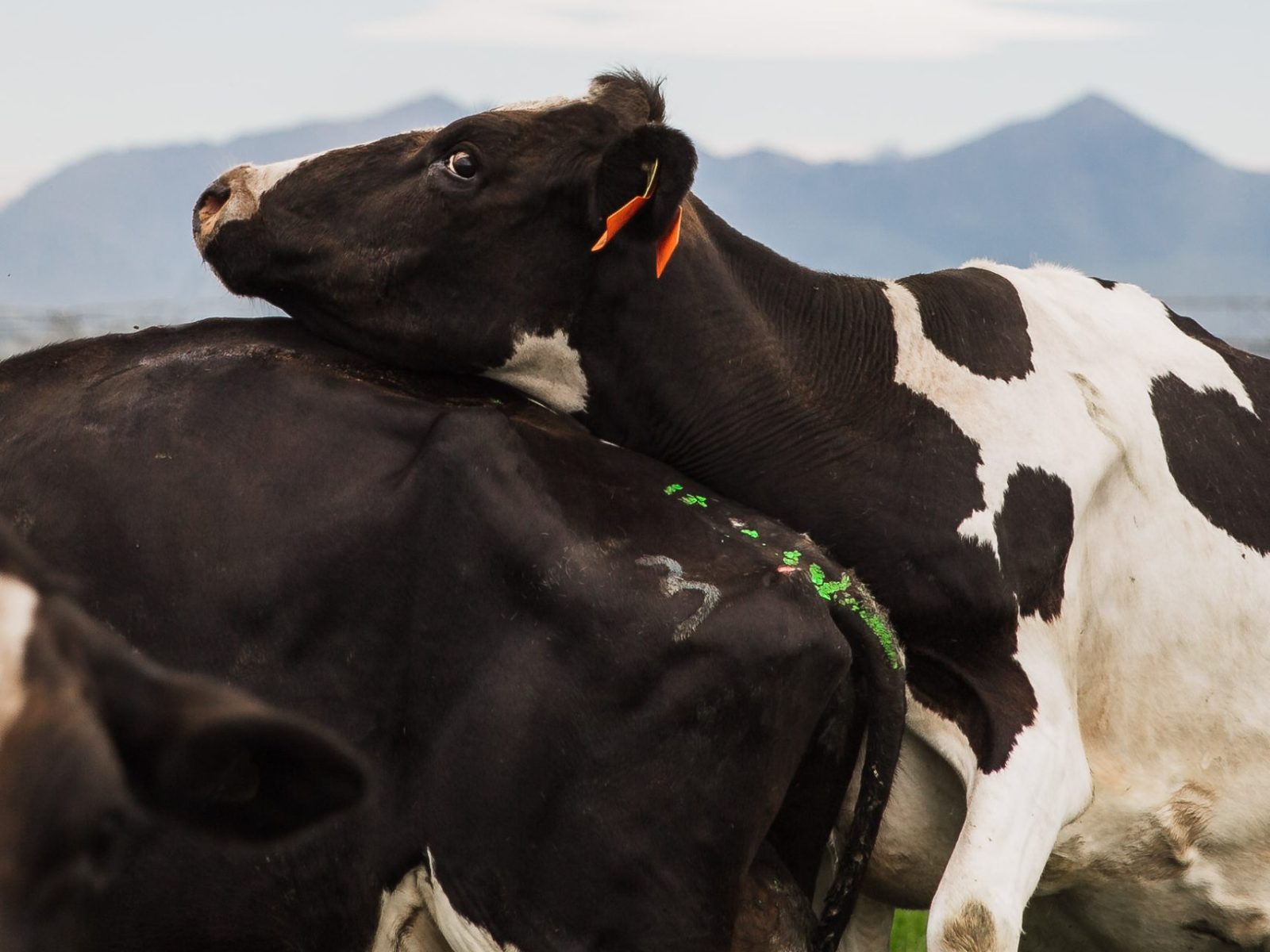
In New Zealand, achieving a high submission rate is the first step in profitable dairy farming and it always begins with heat detection. Achieving consistently tighter calving patterns and maintaining high expectations for reproductive performance means using the right heat detection can mean the difference in extra days in milk.
The heat detection you choose directly influences your six-week in-calf rate, and ultimately your bottom line.
The value of precise heat detection
Identifying the behavioural and physiological changes that signal the peak of oestrus is more complex than just spotting a cow standing to be mounted. By using a systematic approach to pinpoint the ideal time for mating, dairy farmers can avoid the costly exercise of a missed cycle, estimated by Dairy NZ to cost a farmer $250 in lost production and potential culling risks, per missed cycle.
Missing a heat delays calving by at least 21 days in the following season, reducing days in milk and disrupting herd management.
If you’re doing autumn calving (growing in popularity in regions like Waikato) or split-calving system, you face unique challenges compared to spring-calving.
Relying on visual observation alone is often insufficient, with shorter daylight hours and human error the two key factors in a missed heat.
What’s the best heat detection option?
The best heat detection option is largely dependent on what kind of support you have on-farm and your farm’s infrastructure constraints.
Traditional methods like tail paint and heat-mount detectors remain popular choices due to their affordability and ease of use. These rely on friction to provide a visual cue (usually, rubbed paint or a popped dye pack) however their efficacy depends largely on the skill of the person applying the paint. Staff members must actively monitor for signs of rubbed paint or activated patches during every milking, which when you factor in human error can vary. Heat that is subtle can be recorded as a ‘maybe’, leading to wasted straws (expensive if you’re using premium dairy genetics) or missed opportunities.
Recent years have seen a technological shift toward electronic heat detection, with wearables like collars and ear tags able to monitor your herd around the clock, identifying rumination patterns,cow movement and importantly, oestrus.
Cows entering oestrus typically see activity levels spike while rumination drops, with wearables sending signals back to the farmer via computer or mobile app, removing the guesswork.
The significant capital investment into wearables and technological restrictions on some farms can be a deterrent for farmers, even in a time of unprecedented profit on farms like last season.
If your six week in-calf rate is below 78 percent (the national average), it might be time to evaluate your detection approach before you look at anything else.
For example, a farmer managing a 400-cow herd in Canterbury relying on tail paint might face inconsistent results due to staff changes. Manual detection can drive stagnant submission rates, while moving to an automated system may shift accuracy and consistency thanks to technology.
Tips for optimal reproductive success
- Start monitoring three weeks before mating to identify non-cycling cows early.
- Use detection aids like Beacon Heat Seekers and ScratchEs to minimise false positives .
- Train staff to recognise behavioural and physical signs that complement heat detection aids
- Monitor patterns and methods effectiveness by marking uncertain heats to create a consistent data set.
Enhancing heat detection improves herd productivity and ensures optimal use of semen. Whether you prefer or have the resources for manual or high-tech solutions, the ultimate goal is to get cows in calf early, for a more profitable, sustainable operation.
Best heat detection for NZ farms
Beacon Heat Seeker
Marketed by World Wide Sires New Zealand
Email: office@wwsires.co.nz
Phone: 03 338 4560
Website: wwsires.co.nz
Estrotect
Marketed by CRV NZ
Email: customersupport@crv4all.co.nz
Phone: 0800 262 733
Website: crv4all.co.nz
Bulls-i
Marketed by LIC
Email: reception@lic.co.nz
Phone: 07 856 0700
Website: lic.co.nz
Flashmate
Sold by Farmlands
Email: ask@farmlands.co.nz
Phone: 0800 200 600
Website: farmlands.co.nz