Dairy beef is helping solve a practical challenge for Waikato dairy farmers: how to create greater value from calves that are not required as herd replacements. For Waikato farmers, where pasture-based dairy systems are a major part of the regional agricultural landscape, breeding decisions can create opportunities to give more calves a productive pathway into the beef supply chain.
As dairy beef breeding gains momentum, farmers are placing greater emphasis on genetics that deliver value from birth through to processing. The right sire can provide the calving ease required on a dairy farm while producing progeny with the growth and carcass characteristics sought further along a beef supply chain.
This is particularly relevant to Waikato farmers, who are increasingly considering how their mating programmes can make better use of surplus calves. Many organisations, from DairyNZ to genetics companies like World Wide Sires, are exploring different beef-on-dairy breeding strategies as part of its approach to increasing the number of calves with a purposeful pathway.
Why genetics matter in dairy beef
The success of a dairy beef programme starts with sire selection. Genetics influence important traits including calving ease, gestation length, birth weight and growth performance, making the choice of beef sire an important part of any dairy farm’s mating strategy.
For dairy herds, using suitable beef genetics can help increase the value of surplus calves while fitting within the practical requirements of a dairy system. For calf rearers and beef finishers, growth and carcass performance become increasingly important as those animals move through the supply chain.
For Waikato farmers, this approach can fit naturally within a pasture-based production system where efficient use of land, feed and livestock remains central to farm performance.
Why Hereford bulls like Bluestone Lincoln are important
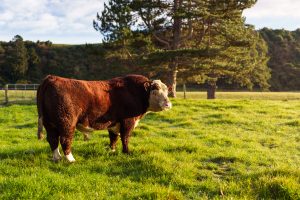
Hereford bull Bluestone Lincoln has emerged as a notable sire within New Zealand’s dairy beef sector. Bred by Bluestone Herefords and marketed by World Wide Sires New Zealand, Lincoln combines a set of traits suited to the demands of modern dairy beef production.
Lincoln’s stature, conformation and strong 200, 400 and 600-day weights, alongside a balanced set of genetic data and early growth in his progeny make him a stand-out choice amongst his peers. These characteristics are particularly relevant when dairy farmers are looking for beef genetics that can produce calves with commercial value beyond the dairy farm.
His involvement in the Dairy Beef Progeny Test also adds another layer of performance information for farmers considering beef sires for dairy cows. Progeny testing helps the industry better understand how different genetics perform when used within dairy systems, giving farmers greater information when making breeding decisions.
World Wide Sires and the wider dairy beef sector
The growth of dairy beef has encouraged greater investment from breeders, genetics companies and industry organisations. Dedicated dairy beef offerings, like that of World Wide Sires, typically help mature, proven sires shine, as they’re selected for traits including calving ease and growth.
WWS’ ongoing partnership with Bluestone Herefords is one example of how collaboration between breeders and genetics providers can bring specialist beef genetics to dairy farmers. For Waikato farmers, access to this type of genetic selection gives them more choice when developing mating programmes around their own herd requirements.
The wider industry is also working to improve the pathways available for non-replacement dairy calves. DairyNZ’s Dairy Beef Opportunities programme is focused on increasing economic returns from these animals while strengthening integration between dairy and beef systems.
Building value from every mating decision
The continued development of dairy beef means farmers have more opportunity to make each mating decision work harder for their business. Sires such as Bluestone Lincoln demonstrate how targeted genetics can combine the requirements of dairy farming with the performance expectations of the beef industry.
For Waikato farmers, where dairy and beef production are closely connected, this creates an opportunity to contribute to a stronger regional supply chain while improving the value of calves leaving the farm.
As breeding technology, performance data and supply chain relationships continue to develop, dairy beef is likely to remain an important part of New Zealand’s livestock industry.