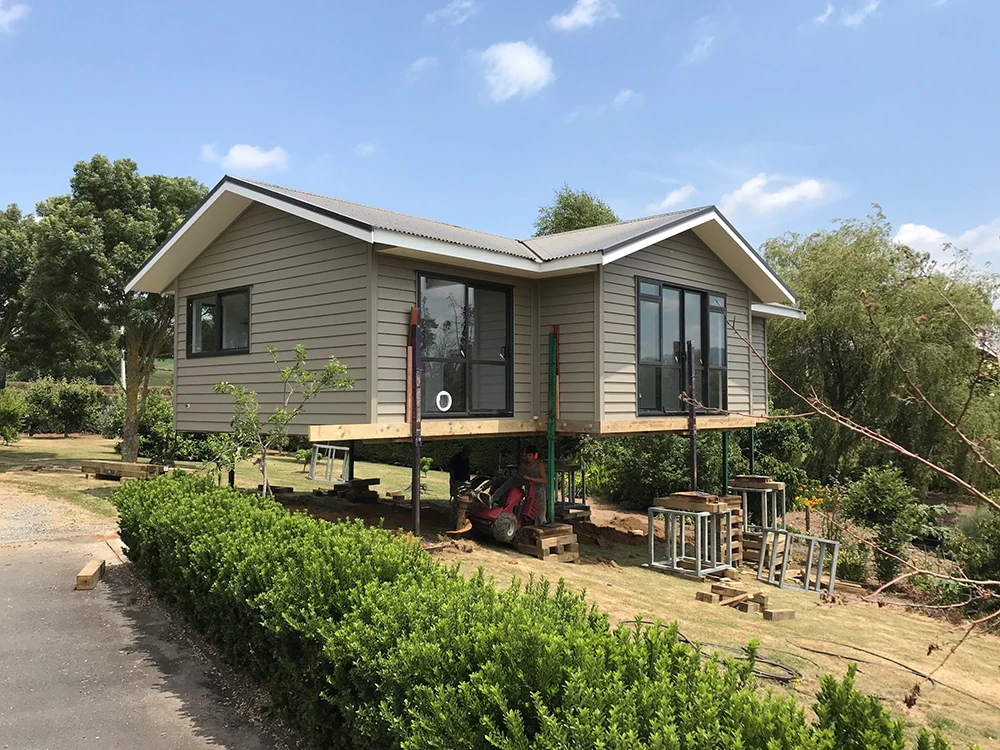
Buying a pre-built home – also known as a prefab or transportable home – is an increasingly popular way for Kiwis to enter the housing market. These homes are constructed off-site in a factory and then delivered to your land, offering quality, speed, and cost advantages over conventional builds. But one question many prospective owners ask is this: how do you finance a pre-built home? Here’s what you need to know.
1. What Is a “Prebuilt Home Loan”?
Traditional home loans typically only cover properties that are complete and sitting on the land. Historically, lenders were reluctant to finance prefab homes while they were still in the factory. This meant builders or homeowners had to fund the build with their own cash until delivery.
In response, some banks in New Zealand now offer specialised prebuilt home loans. These are designed to provide funding progressively while your home is being built and transported, rather than waiting until it’s completely finished on site.
2. How Do These Loans Work?
A prebuilt home loan functions similarly to a construction loan:
-
You can borrow against the home as it’s being built in a factory.
-
Funds are released in stages so the builder can be paid at key milestones.
-
This reduces the need for you or the builder to carry all the upfront cost yourself.
This progress-based structure helps make financing prefab homes more practical and accessible.
3. Deposit Requirements
Most lending options, including purpose-built prefab loans, still require a deposit. This can be as little as 10% of the total home value in some cases, though exact requirements vary depending on your situation and the lender’s criteria.
Having a larger deposit or existing equity usually improves your chances of securing finance and may help you negotiate better loan terms.
4. Pre-Approval and Conditional Approval
Before you commit to a build or buy land, it’s sensible to get pre-approval, or conditional approval, from your lender. This gives you a clear understanding of how much you can borrow and shows builders you’re serious.
Conditional approval typically means the bank has reviewed your finances and given you an indication of what you might borrow, subject to conditions such as:
-
Final valuation of the land
-
A signed build contract
-
Adequate insurance coverage
5. Insurance and Builder Requirements
Some lenders include additional requirements for prefab financing. These often involve having suitable construction or material insurance in place to protect both you and the bank throughout the build and delivery process.
The insurer may also need to know details about your builder or manufacturer before work starts.
6. Land and Site Requirements
Banks generally base their lending decision on the value of the land you own or plan to buy. Before the home is on site, lenders may only consider the land value as security. Once the prefab home is delivered and connected to services, the bank can usually reassess the property and potentially increase the loan amount available.
This staged approach makes sense because lenders need security – something they can take over if necessary.
7. KiwiSaver and First Home Support
If you’re a first home buyer, you may be able to use KiwiSaver First Home Withdrawal to contribute towards your deposit or even use First Home Grants and other government-assistance schemes (where you qualify). These options can make prefab home finance more achievable.
Check with your bank or financial adviser to understand eligibility and how these funds can be applied.
8. Working with a Mortgage Adviser
Because prefab and transportable homes are still a relatively specialised area of lending, one of the smartest steps you can take is to work with a mortgage adviser or financier who understands:
-
How banks view prefab builds
-
What documentation is needed
-
How to structure your loan to fit prefabricated housing requirements
A good adviser can help you navigate the process, particularly where standard home loans might not fit your needs as neatly as a purpose-designed product.
9. Alternatives to Traditional Bank Loans
If a prebuilt home loan isn’t quite right for you, other options might include:
-
Construction or new build loans that release funds during different phases of your build
-
Bridging finance – short-term loans to cover construction before a long-term mortgage takes effect
-
Private loans or guarantor loans in certain situations
Talk to your bank or lender about all your potential paths.
10. Plan Early and Be Prepared
The key to financing a pre-built home successfully is preparation:
-
Know your budget and borrowing power up front
-
Understand builder contracts and schedules
-
Gather your financial documentation early
-
Speak to lenders about progress payments and staged releases
Taking these steps makes the loan process smoother and gives you confidence as you move from concept to reality.