Home security has come a long way from the basic alarm box mounted near the front door. Modern systems are smarter, more connected and designed to give homeowners genuine peace of mind. Whether you live in a standalone house, a townhouse or a rural property, today’s security setups are built to protect more than just your front door.
Here’s what you can typically expect in a modern home security system.
The Control Panel
The control panel is the heart of the system. It connects all devices, including sensors, keypads and cameras. From here, you can arm and disarm your security alarm, set schedules and manage different zones in your home. Many systems now allow you to control everything through a mobile app as well, so you are not limited to a wall-mounted keypad.
Door and Window Sensors
These are the most common and essential components. Small contact sensors are installed on doors and windows to detect when they are opened. If the system is armed and a door or window is breached, the alarm will trigger immediately. This first layer of defence helps protect the most common entry points used by intruders.
Motion Detectors
Motion sensors, often known as PIR sensors, detect movement inside your home. They are usually placed in hallways, living areas and near entry points. Modern motion detectors are far more advanced than older versions, with many able to ignore pets to reduce false alarms. When triggered, they activate the alarm and send a notification if your system is connected to an app or monitoring service.
Internal and External Sirens
A loud siren is designed to deter intruders and alert neighbours. Many systems include both an internal siren and an external bell box. The visible external unit also acts as a strong visual deterrent, signalling that your home is protected.
Smartphone Access
One of the biggest upgrades in modern security is remote access. Most systems now connect to a mobile app, allowing you to arm or disarm your alarm from anywhere. You can receive real-time alerts, check which sensor was triggered and even monitor activity while you are away. This is especially useful if you travel often or want to check on your home during the day.
Professional Monitoring
Many homeowners choose to add 24-hour monitoring. With this service, your alarm system is connected to a monitoring centre. If an alarm is triggered, trained operators assess the situation, contact you and notify emergency services if required. This adds an extra layer of protection, particularly if you are unable to respond yourself.
CCTV and Video Doorbells
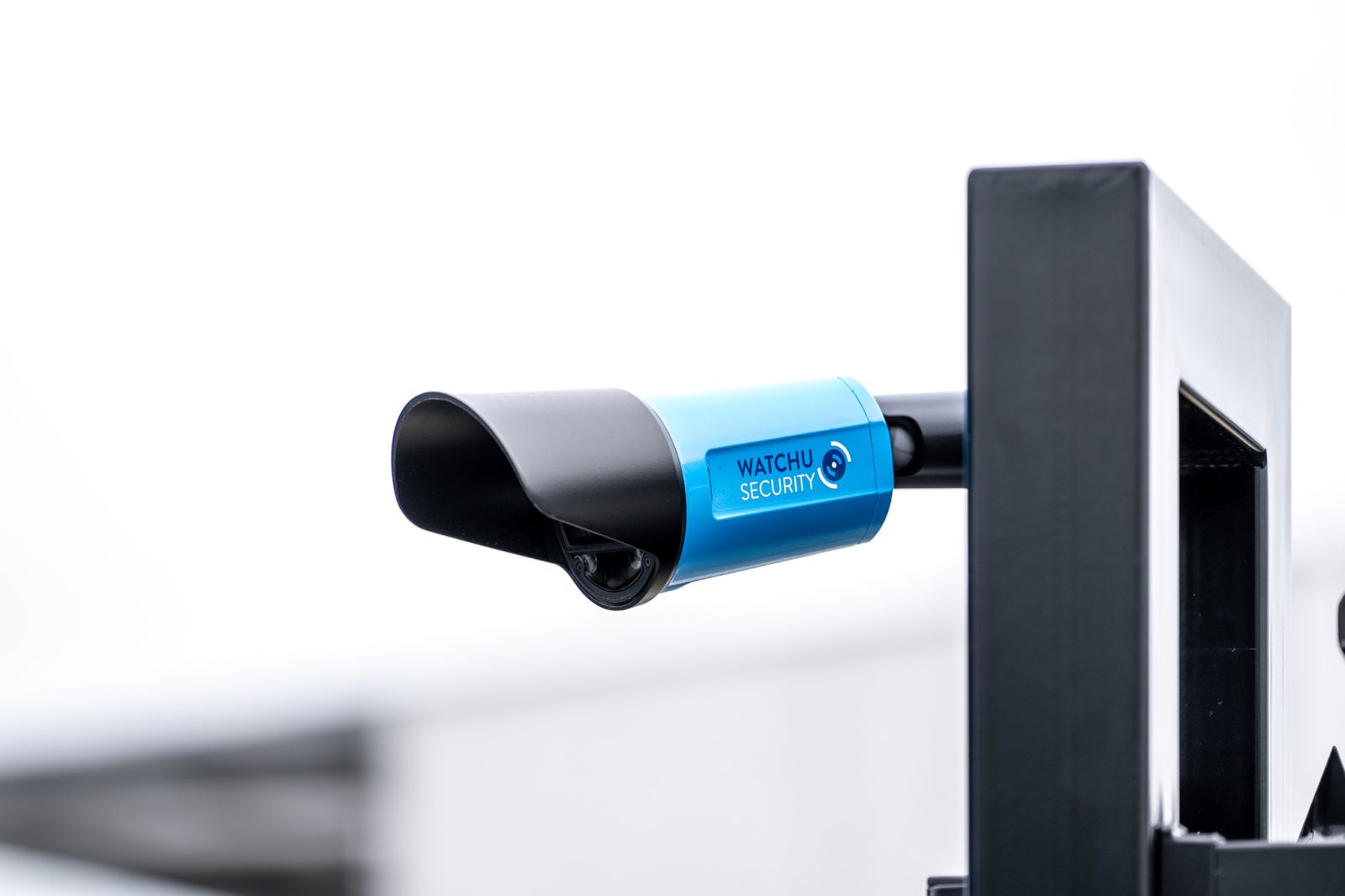
Modern systems often integrate security cameras and video doorbells. CCTV cameras provide live streaming and recorded footage, accessible through your phone. Video doorbells allow you to see and speak to visitors at your front door, even if you are not home. This combination increases both security and convenience.
Environmental Protection
Security is not just about intruders. Many systems can include smoke alarms, heat sensors, flood detectors and carbon monoxide sensors. These devices alert you to potential hazards early, helping to protect both your property and the people inside it.
Backup Power and Connectivity
A reliable system includes battery backup so it continues working during a power cut. Some also have cellular backup in case your internet connection fails, ensuring alerts still reach you or your monitoring provider.
Modern home security systems are designed to be comprehensive, flexible and easy to manage. The right setup depends on your property, lifestyle and level of risk, but today’s technology makes protecting your home more effective and more accessible than ever.